
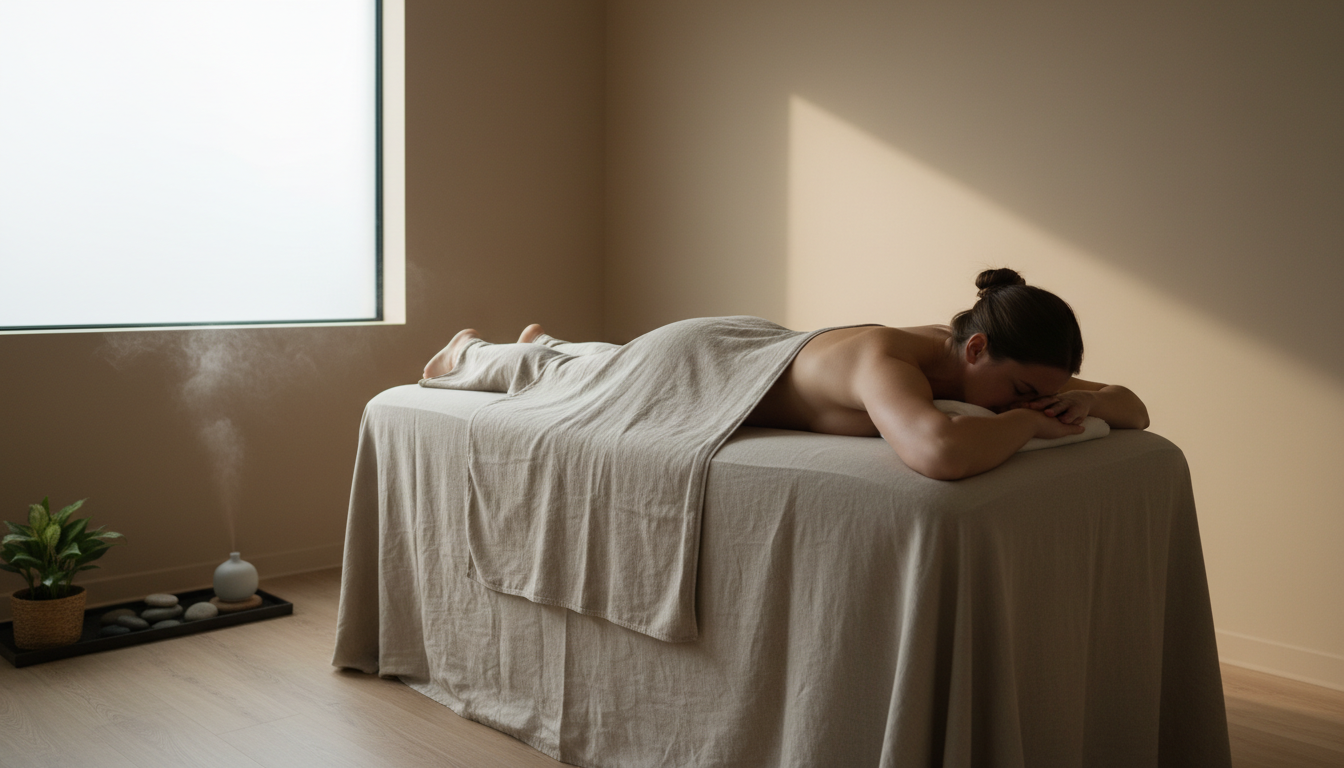
Stress does not always arrive as a racing heart or a bad day. Sometimes it hides in a tight jaw, shallow breathing, poor sleep, digestive changes, or a back that keeps “going out” for no obvious reason.
Many people think of stress as a mental or emotional state. It is that, but it is also physical. The body responds to pressure through the nervous system, muscles, hormones, posture, breathing patterns, and inflammation. When stress hangs around long enough, these systems can stay on high alert even after the stressful moment has passed.
That is where hands-on and whole-body therapies can play a useful role. Massage therapy, chiropractic care, acupuncture, and osteopathy do not remove every source of stress from life. They may, though, help the body shift out of a constant threat response and back toward better balance, movement, rest, and recovery.
This article is for general information only and is not a substitute for medical advice. If symptoms are severe, sudden, worsening, or affecting daily life, speak with a qualified health professional.
Stress can affect the body before the mind catches up
Stress is useful in short bursts. It helps the body react, focus, and respond. The issue begins when the stress response stays switched on for too long.
When the brain senses pressure, the body may release stress hormones such as cortisol and adrenaline. Breathing can become faster. Muscles tighten. Heart rate rises. Digestion may slow or change. Sleep can become lighter. The nervous system prepares for action, even if the stressor is an inbox, a family conflict, financial worry, caregiving, grief, pain, or burnout.
Over time, hidden stress can create a loop:
- Tension builds in the neck, shoulders, jaw, hips, or back.
- Pain makes sleep harder.
- Poor sleep lowers resilience.
- Low resilience makes normal pressure feel heavier.
- The body stays guarded, tight, and tired.
This is why stress can feel like a physical problem, even when the root is emotional, mental, or environmental. The body keeps score in small ways long before it forces a bigger pause.
- Common hidden signs of stress can include:
- Frequent headaches or jaw clenching
- Neck, shoulder, or low back tension
- Digestive changes, such as bloating or irregularity
- Trouble falling asleep or waking through the night
- Feeling tired but wired
- Shorter patience or emotional sensitivity
- Shallow breathing or chest tightness
- Muscle twitching or restlessness
- Lower motivation to move
- More frequent flare-ups of existing aches
None of these symptoms automatically means stress is the only cause. Many health conditions can look similar. Still, when several of these signs appear together, especially during demanding seasons, stress may be part of the picture.
Massage therapy can calm the nervous system and soften guarded muscles
Massage therapy is often thought of as a way to “work out knots.” That can be true, but its value goes beyond muscle pressure. Skilled massage can also support the nervous system, circulation, body awareness, and relaxation.
When stress is high, the body may hold muscles in a guarded state. The shoulders creep up. The jaw tightens. The hips brace. The breath becomes smaller. Over time, this can make normal movement feel stiff and uncomfortable.
Massage may help by encouraging the body to shift into a more relaxed state. Many people notice slower breathing, warmth in the tissues, reduced muscle tone, and a sense of mental quiet during or after treatment.
- Potential positive effects of massage for stress-related tension include:
- Less muscle tightness in the neck, shoulders, back, hips, and legs
- Better awareness of where the body is holding stress
- A calmer, slower breathing pattern
- Short-term relief from stress-related aches
- A more settled feeling before sleep
- A supportive pause from constant stimulation
Massage can also help reconnect the mind and body. That matters because stress often causes people to disconnect from physical cues until discomfort becomes loud. A massage therapist may notice patterns, such as one shoulder sitting higher, jaw tension, or restricted rib movement, and help bring attention to them in a safe, practical way.
Different massage styles may suit different needs. A gentle relaxation massage may be best when the nervous system feels overloaded. Therapeutic massage may be more useful when specific areas are tight or painful. Deep pressure is not always better, especially for a body that is already on alert. Good care should feel supportive, not like something to endure.
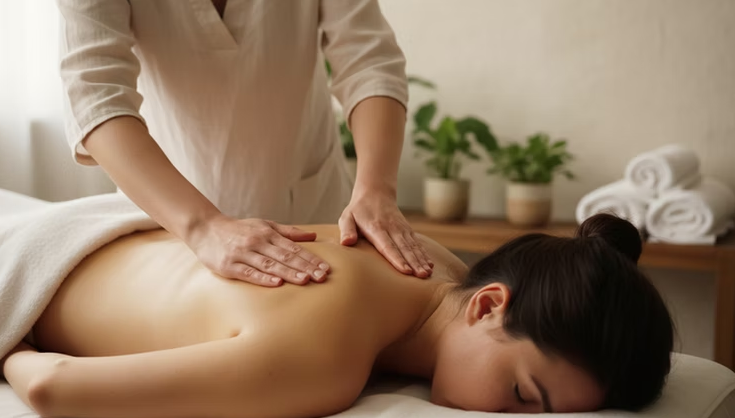
Chiropractic care can support movement when stress changes posture and tension
Stress often changes how the body moves. A person under pressure may sit with rounded shoulders, clench the jaw, breathe into the upper chest, or hold the low back rigid. These patterns can place more load on the spine, ribs, pelvis, and surrounding muscles.
Chiropractic care focuses on the musculoskeletal system, especially how joints, muscles, and nerves relate to movement and function. For stress-related discomfort, a chiropractor may assess posture, spinal mobility, joint restrictions, muscle tension, and movement habits.
The goal is not to “fix stress” with one adjustment. A more realistic goal is to help the body move with less restriction and less discomfort, which may reduce physical strain that adds to the stress load.
Chiropractic care may help with stress-related symptoms such as:
- Neck stiffness from prolonged tension
- Headaches linked to muscle tightness or posture
- Mid-back tightness from shallow breathing and desk posture
- Low back discomfort related to guarding or restricted movement
- Reduced range of motion that makes exercise feel harder
Treatment may include joint adjustments, mobilizations, soft tissue work, stretching, movement coaching, and advice on daily habits. A chiropractor may also suggest small changes to sleep position, workstation setup, breathing, or mobility exercises.
One of the possible stress benefits is improved confidence in movement. When pain or stiffness lingers, people often move less. Less movement can create more stiffness, more worry, and more discomfort. Restoring comfortable motion can make it easier to walk, stretch, exercise, and return to routines that support mental health.
Communication matters. A good chiropractic visit should include consent, clear explanations, and options. If a technique feels too forceful or does not suit a person’s comfort level, there are often gentler approaches.
Acupuncture may help the body downshift from high alert
Acupuncture is a traditional practice that involves placing very thin needles at specific points on the body. Many people seek acupuncture for stress, sleep concerns, headaches, pain, digestive issues, and general nervous system support.
From a modern health perspective, research suggests acupuncture may influence the nervous system, pain pathways, muscle tone, and the release of certain natural chemicals involved in comfort and regulation. In traditional Chinese medicine, treatment is often described in terms of restoring flow and balance through the body’s systems.
For hidden stress, acupuncture may be helpful because it invites stillness. Sessions usually require a person to lie quietly, breathe, and rest while the needles remain in place. For a body used to constant alertness, that pause can be powerful.
Possible positive effects of acupuncture for stress may include:
- A calmer mood after treatment
- Reduced muscle tension or stress-related pain
- Better sleep quality for some people
- Fewer tension-type headaches in some cases
- Support for digestion when stress affects the gut
- A deeper sense of relaxation during treatment
People often describe the sensation as mild pressure, heaviness, tingling, or warmth rather than pain. Some feel very relaxed or sleepy during a session. Others feel subtle changes over several visits.
Acupuncture is not the right fit for everyone. People who are pregnant, taking blood thinners, have bleeding disorders, or have certain medical conditions should discuss safety with a qualified practitioner and their healthcare provider. Treatment should always use sterile, single-use needles.
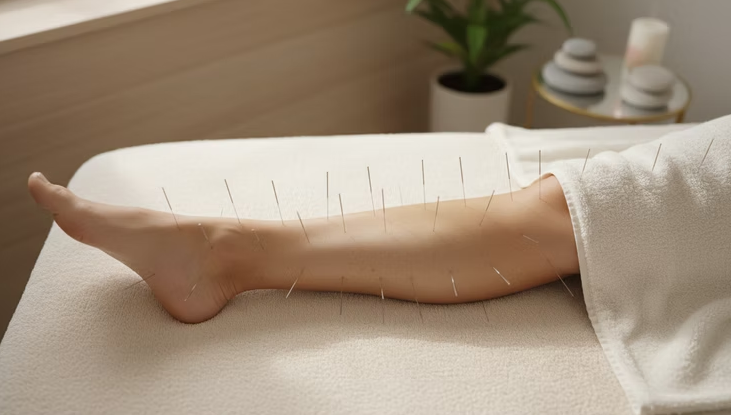
Osteopathy looks at how the whole body adapts to stress
Osteopathy takes a whole-body approach to health, movement, and function. Osteopathic practitioners often look at how muscles, joints, fascia, circulation, breathing, posture, and daily patterns interact.
Stress rarely affects only one part of the body. A tight jaw can connect with neck tension. Shallow breathing can affect the ribs and upper back. A guarded pelvis can change how the low back and hips move. Poor sleep can make pain feel stronger. Osteopathy is well suited to this kind of connected thinking.
Osteopathic treatment may include gentle joint movement, soft tissue techniques, stretching, fascial work, and guidance for movement or breathing. Some approaches are very subtle. Others are more active. The aim is often to improve mobility, circulation, ease, and the body’s ability to self-regulate.
For underlying stress, osteopathy may support:
- Easier breathing through improved rib and diaphragm movement
- Reduced tension in the neck, back, jaw, or pelvis
- Better mobility after long periods of bracing
- More balanced posture and movement
- A calmer sense of body awareness
- Recovery from habits that build up during stressful periods
The breathing piece is especially important. Stress often pulls the breath upward into the chest and neck. This can overwork accessory breathing muscles and contribute to tight shoulders, headaches, and fatigue. Osteopathic care may help the rib cage and diaphragm move more freely, which can support a calmer breathing rhythm.
As with any manual therapy, training and scope of practice vary by region. In Canada, it is wise to check a practitioner’s credentials, professional association, and whether their approach fits the concern.
These therapies work best when they are part of a wider stress plan
Massage, chiropractic care, acupuncture, and osteopathy can each help with physical signs of stress. They often work best alongside daily habits that keep the nervous system from returning to overload.
A helpful stress plan does not need to be complicated. Small, repeated signals of safety can make a real difference.
Try pairing care with simple supports such as:
- A short daily walk, even for 10 minutes
- Regular meals with enough protein and fluids
- A consistent sleep and wake time when possible
- Gentle stretching for the jaw, neck, ribs, hips, and calves
- Slower breathing, especially longer exhales
- Reducing caffeine late in the day
- Breaks from screens before bed
- Talking with a counsellor, physician, or trusted support when stress feels unmanageable
- The right therapy can also depend on how stress shows up.
- Massage therapy may fit best when muscle tension, touch-based relaxation, or sleep support are the main concerns.
- Acupuncture may fit best when the nervous system feels stuck on high alert, sleep is poor, or stress affects pain and digestion.
- Chiropractic care may fit best when stiffness, joint restriction, posture, or movement-related discomfort are part of the stress pattern.
- Osteopathy may fit best when symptoms feel connected across the body, such as breathing, posture, tension, and mobility changing together.
Some people benefit from one approach. Others use a mix, with different therapies at different times. For example, massage may help during a high-tension work period, acupuncture may support sleep, chiropractic care may help restore neck motion, and osteopathy may address breathing and whole-body compensation.
The main point is to listen to the body’s signals early. Stress becomes harder to manage when it is ignored until pain, exhaustion, or sleep loss takes over.
When hidden stress needs medical attention
Stress can create real physical symptoms, but not every symptom should be explained away as stress. Certain changes deserve medical assessment.
Seek care promptly if there is chest pain, fainting, shortness of breath, sudden weakness, severe headache, unexplained weight loss, fever, loss of bladder or bowel control, numbness in the groin area, or pain after a fall or injury. Also speak with a healthcare provider if anxiety, low mood, panic, or sleep loss is affecting safety, work, relationships, or daily function.
Manual and complementary therapies can be valuable, but they should not delay needed medical care. The best support often comes from a team approach, especially when stress overlaps with chronic pain, trauma, illness, or burnout.

The body often whispers before it shouts
Hidden stress signs are easy to dismiss. A clenched jaw becomes normal. Tight shoulders feel like part of the day. Poor sleep gets blamed on being busy. A tense stomach, stiff back, or constant fatigue becomes background noise.
Yet these signals matter. They show that the body is working hard to adapt.
Massage therapy, chiropractic care, acupuncture, and osteopathy offer different ways to support that adaptation. Massage can soften tension and encourage relaxation. Chiropractic care can improve movement and reduce strain. Acupuncture can help the nervous system settle. Osteopathy can address the connected patterns that stress leaves across the body.
None of these therapies needs to promise a miracle to be useful. Their value often lies in helping the body feel safer, move better, rest more deeply, and recover with more ease.
The next step is simple: notice what the body has been trying to say. Then choose support that helps turn the volume down before stress has to shout.